
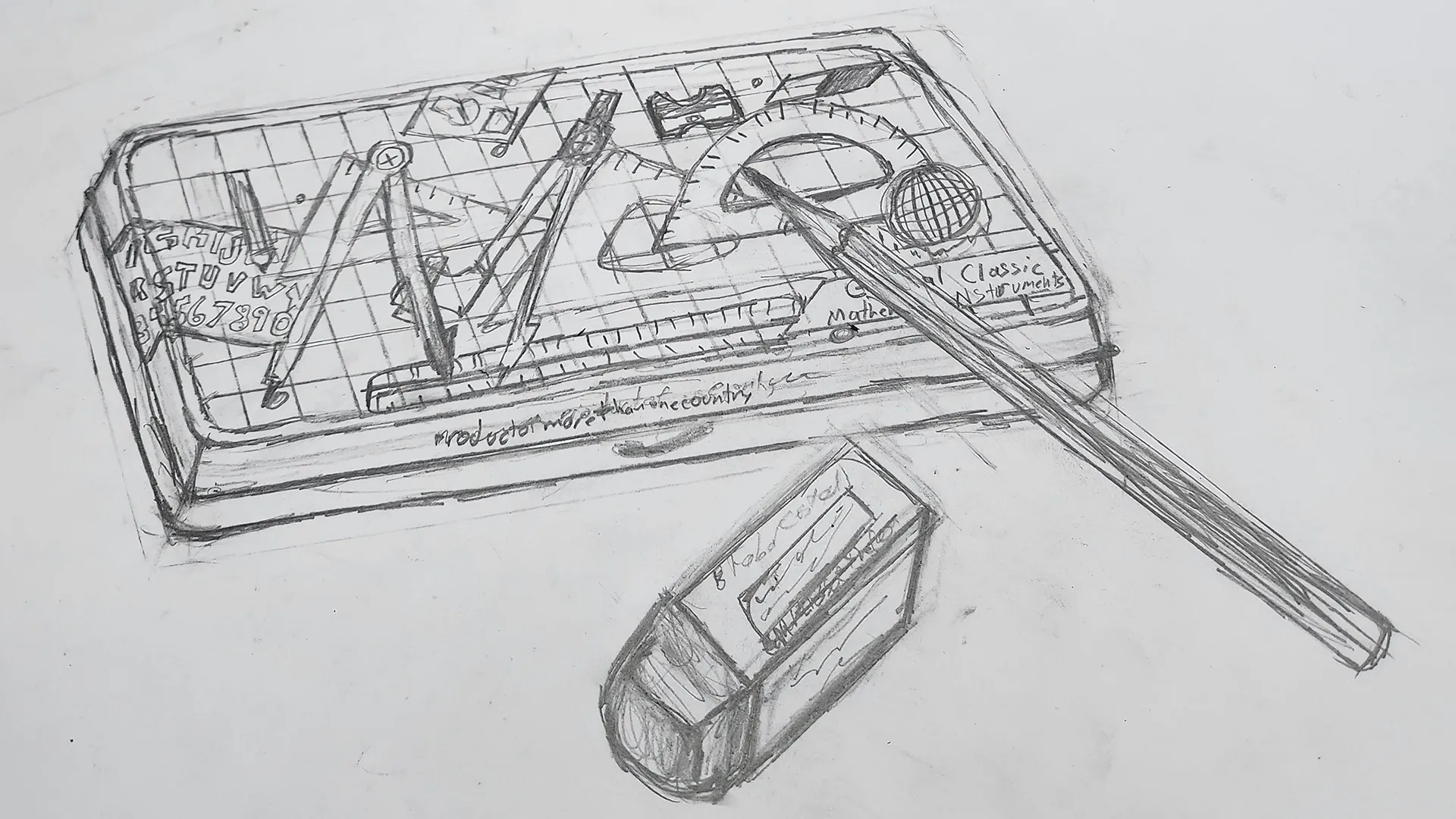
Walk into any art conversation with teens today and digital drawing will come up almost immediately. Between tablet illustrations, digital comics, and online art communities, it is easy to see why digital tools feel like the obvious starting point for a beginner. At the same time, many parents still remember pencil and paper as the “proper” way to learn, which raises a genuine question. Should a beginner start with traditional sketching, jump straight into digital drawing, or does it even matter which comes first?
This is one of the most common questions we hear from both parents and teens exploring sketching classes or drawing classes for the first time. The short answer is that sketching and digital drawing are not really competing paths. They are closely connected skills, and the order in which you learn them matters more than most people expect.
What Sketching Actually Teaches
Traditional pencil sketching is often seen as the “basic” starting point, but it is really where the core fundamentals of drawing are built. These fundamentals apply regardless of whether a student eventually moves to digital tools or stays fully traditional.
Sketching helps develop:
- Hand-eye coordination, since there is no undo button forcing more deliberate, controlled mark making
- Proportion and observation skills, especially when drawing from real life or reference images
- Understanding of line weight and pressure, learned physically through the pencil rather than a stylus setting
- Shading and value control, using techniques like hatching, cross hatching, and blending
- Patience and problem solving, since mistakes cannot simply be erased with one click in the same way
These are not old fashioned skills that digital tools make irrelevant. They are the same skills that make digital art look intentional and controlled rather than messy or uncertain.
What Digital Drawing Adds to the Picture
Digital illustration for beginners offers advantages that traditional sketching simply cannot, particularly around flexibility and workflow.
Digital tools allow for:
- Easy undo and layering, which encourages more experimentation without fear of “ruining” the piece
- A wide range of brushes and effects that can mimic traditional media or create entirely new styles
- Simple resizing, colour adjustment, and non-destructive editing
- Direct pathways into digital illustration, animation, comic art, and concept art industries
For many teens, digital drawing also feels more aligned with the kind of art they consume daily, from webtoons to digital character art, which can make it a more motivating entry point emotionally.
Why Sketching Should Usually Come First
Here is the part that often surprises parents. Many professional digital artists, including those working in animation and concept art, still recommend starting with traditional sketching before moving to a tablet. This is not tradition for its own sake. There are practical reasons behind it.
Digital tools can mask weak fundamentals. Layers, undo, and filters can make a technically weak drawing look more polished than it actually is. Without a foundation in proportion and observation, a beginner may develop habits that are difficult to correct later.
Sketching builds muscle memory that transfers directly. The hand control and observational skill built through pencil practice carries over almost entirely into digital drawing, since the underlying drawing principles remain the same regardless of tool.
It is easier to diagnose mistakes on paper. When a sketch looks “off,” it is usually easier for a beginner and instructor to identify why, whether it is proportion, perspective, or line control, without digital effects distracting from the core issue.
There is no learning curve competing with the art itself. Digital drawing introduces software navigation, layers, and tool settings on top of drawing itself. Starting there means a beginner is learning two skills at once, which can slow genuine artistic progress.
This does not mean digital drawing has to wait years. Rather, a solid grounding of a few months to a year in traditional sketching tends to make the eventual transition to digital tools significantly smoother and faster.
A Realistic Learning Path for Beginners
For most beginners, especially children and teens genuinely interested in eventually exploring digital art, a practical progression looks like this:
- Build core sketching fundamentals – proportion, shading, perspective, and observational drawing through consistent practice
- Develop confidence across subjects – still life, portraits, simple scenes, and basic composition
- Introduce digital tools once fundamentals are steady – transferring existing skills onto a tablet, rather than learning both drawing and software simultaneously
- Explore digital-specific techniques – layering, digital colouring, effects, and illustration styles once comfortable navigating the software
This path does not mean digital drawing is somehow “harder earned” or superior. It simply reflects how skills build most efficiently on top of each other.
So, Which Is Better for Beginners?
If the goal is long term artistic growth, sketching is generally the stronger starting point, not because digital drawing is lesser, but because it builds foundational skills that make every future medium, digital included, easier to pick up. Digital drawing is an excellent and valuable direction to grow into, especially for teens interested in illustration, animation, or design careers. It simply tends to work best as a next step rather than a first one.
How Strokearts Approaches This
At Strokearts, sketching classes focus on building exactly these fundamentals, observation, proportion, shading, and composition, through structured, progressive practice. Many students who start with traditional sketching classes find that when they do eventually explore digital tools, the transition feels far more natural, since the core drawing instincts are already there. Rather than treating sketching and digital art as separate paths, it is best understood as one continuous skill journey.
Frequently Asked Questions
Should my child learn digital drawing directly instead of starting with sketching?
It is possible, but most instructors recommend building traditional sketching fundamentals first, since these core skills transfer directly into digital drawing and make the learning curve much smoother.
How long should a beginner practice sketching before moving to digital tools?
There is no fixed timeline, but a few months to about a year of consistent sketching practice generally provides a strong enough foundation before introducing digital drawing.
Is digital drawing easier than traditional sketching for beginners?
Digital tools offer conveniences like undo and layering, but they do not replace the need for strong fundamentals. Without those fundamentals, digital art can look technically weaker despite the software’s flexibility.
Can traditional sketching skills actually transfer to digital drawing?
Yes. Proportion, observation, shading, and composition skills built through sketching apply directly to digital drawing, since the underlying drawing principles remain the same across both mediums.
Is it too late to start with sketching if my child already prefers digital art?
No. Sketching fundamentals can strengthen existing digital art skills at any stage, and many teens find their digital work improves noticeably once they build stronger traditional drawing foundations.