
Art competitions can be an exciting first milestone for a young artist. For many children, it is the first time their work is seen and judged outside the classroom or the family fridge. For parents, it can also feel a little daunting, especially when you are not sure what judges are actually looking for or how to help your child prepare without taking over the process entirely.
The good news is that preparing for an art competition does not need to be complicated. With the right approach, it can be a genuinely confidence building experience, win or lose. This guide walks through eligibility, choosing the right artwork, presentation, judging criteria, common mistakes, and practical preparation tips for a child’s first art competition in Singapore.
Understanding Eligibility First
Before anything else, check the competition’s eligibility requirements carefully. Most art competitions in Singapore, whether school organised, community run, or national level, will specify:
- Age category or school level
- Permitted mediums, such as pencil, watercolour, acrylic, or digital art
- Theme requirements, if any
- Artwork size and orientation restrictions
- Submission format, whether physical or digital
Missing a small eligibility detail, such as submitting the wrong canvas size or using a medium outside the allowed category, can disqualify an otherwise excellent piece. Read the rules together with your child before any work begins, not after.
Choosing the Right Artwork or Idea
If the competition has an open theme, choosing the right idea is often harder than actually painting it. Encourage your child to brainstorm several ideas rather than settling on the very first one that comes to mind.
A few things to keep in mind:
Play to existing strengths. If your child is more confident with animals than portraits, a competition piece is not the moment to attempt an entirely new subject under time pressure.
Choose something personally meaningful. Judges can often tell the difference between a piece created with genuine interest and one created purely to “look impressive.” A personal connection to the subject usually shows in the final work.
Avoid overly ambitious scope. A smaller, well executed piece almost always outperforms an overly complex idea that runs out of time or loses coherence halfway through.
If the competition follows a set theme, spend time discussing what the theme actually means before jumping into sketches. A well interpreted theme, even with simpler technique, often stands out more than a technically strong piece that only loosely fits the brief.
Presentation Matters More Than Most Parents Expect
Presentation is not just about the final artwork itself. Small details can influence how a piece is perceived.
- Clean edges and careful handling, avoiding smudges or accidental marks outside the intended area
- Correct labelling, if required, including name, age category, and title of the piece
- Following exact size and framing or mounting instructions, since many competitions disqualify or deduct marks for non-compliance
- Neat, confident final touches rather than an unfinished looking piece
Encourage your child to treat the final ten percent of the work, the small refinements and cleanup, with just as much care as the main creation process.
What Judges Are Usually Looking For
While exact judging criteria vary by competition, most panels assess similar core areas:
- Creativity and originality – Does the piece show independent thinking, rather than a direct copy of a reference image or another artwork
- Technical execution – Composition, proportion, shading, colour use, and control appropriate to the child’s age group
- Theme interpretation – How well the artwork connects to the given theme, if applicable
- Overall impact – Whether the piece holds attention and communicates something clearly, even from a distance
Younger age categories are usually judged with more allowance for technical imperfection, with greater weight placed on imagination and effort. Understanding this can help manage expectations and reduce pressure on younger children.
Common Mistakes First Time Participants Make
Starting too close to the deadline. Rushed pieces often show inconsistent effort, especially in backgrounds or finishing details that get neglected under time pressure.
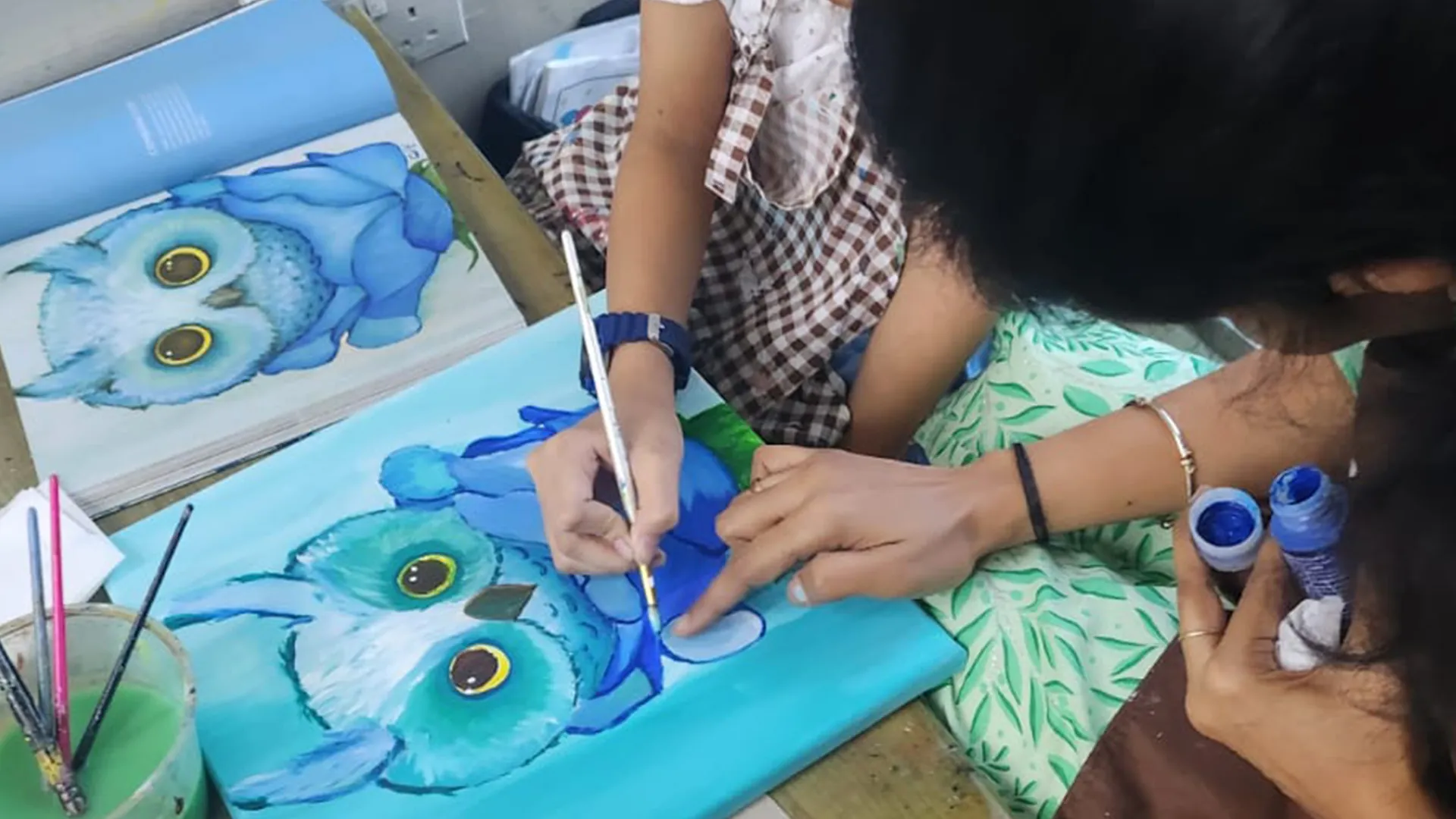
Parents doing too much “helping.” It is natural to want to guide, but judges are experienced at recognising work that does not reflect a child’s actual current skill level. Guidance should stay limited to encouragement and technical tips, not direct corrections on the canvas itself.
Ignoring the brief. A beautifully executed piece that does not follow the theme or size requirements will often lose significant marks regardless of quality.
Comparing to older or more advanced entries. Especially for a first competition, it helps to remind children that they are being judged within their own age category, not against every entry in the room.
Preparation Tips Before the Big Day
- Practice the chosen medium in advance, rather than trying something completely new for the first time during the actual competition piece
- Do a full timed practice run if the competition involves live, on the spot drawing or painting, so your child is familiar with working within a fixed time limit
- Pack all required materials the night before, including backups such as extra pencils, erasers, or paint, especially for on-site competitions
- Focus conversations on effort and enjoyment rather than winning, since this reduces pressure and often leads to better, more natural work
Building Long Term Competition Readiness
A single competition rarely determines a child’s artistic potential, but consistent practice across different mediums and subjects genuinely does build both skill and confidence over time. Structured, progressive learning, rather than occasional practice only before competitions, tends to produce far more consistent results.
At Strokearts, students are guided through a structured curriculum that builds core skills such as observation, composition, and medium control gradually over time, the same fundamentals most competitions and judging panels look for. For families thinking beyond a single competition, this kind of consistent, structured learning also lays useful groundwork for building a stronger art portfolio down the road, whether for future competitions, school applications, or simply continued personal growth.
Frequently Asked Questions
How early should my child start preparing for an art competition?
Ideally two to four weeks before the deadline, allowing enough time to brainstorm ideas, practice the chosen medium, and complete the final piece without last minute rushing.
Should parents help correct or touch up their child’s competition artwork?
No. Judges can often tell when a piece does not reflect a child’s actual skill level. Support should focus on encouragement, material preparation, and general technique guidance, not direct edits to the artwork itself.
What if my child’s artwork does not perfectly match the competition theme?
A loose theme connection is usually still acceptable, but a completely unrelated piece often loses significant marks. When in doubt, choose an interpretation that is clearly, even if simply, tied to the theme.
Do younger children need highly technical artwork to do well in competitions?
Not necessarily. Younger age categories are typically judged with strong emphasis on creativity, imagination, and effort, with more allowance for technical imperfection.
What is the biggest mistake first time competition participants make?
Starting too close to the deadline, which often results in rushed, inconsistent work, especially in background details and finishing touches.