
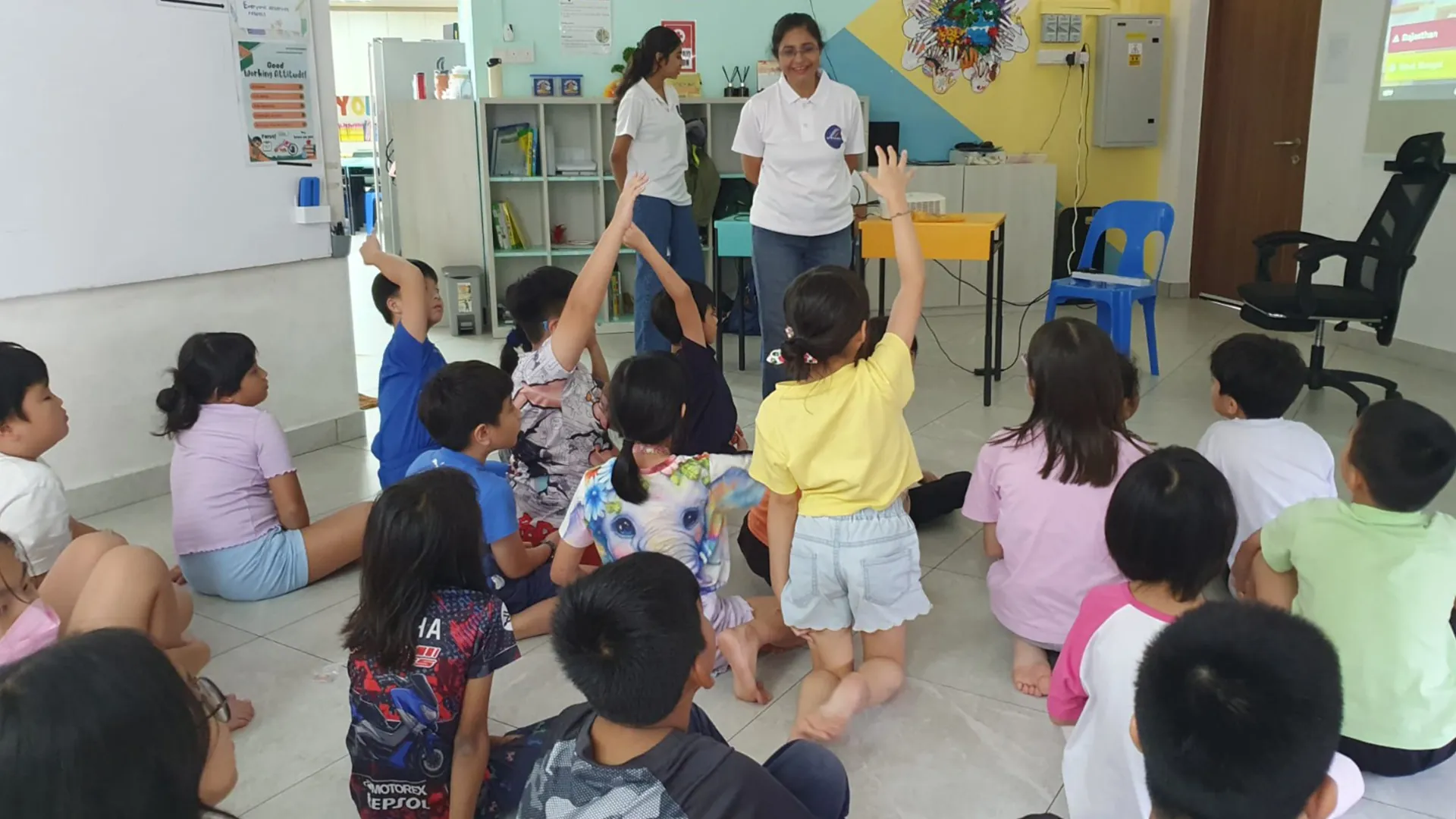
It may be tempting to think of holiday periods as relaxed times when kids just relax from school duties, yet, quite often, these holidays end up being characterized by too much screen time, a disrupted routine and reduced socializing. Thus, many parents seek alternative forms of spending time during vacations, such as holiday camps for kids that are educational and engaging at the same time.
What Holiday Camps Do
First of all, holiday camps ensure that kids get involved in interesting activities during vacations. These camps promote social development, emotional development, confidence building and independent thinking.
In fact, holiday learning camps ensure children continue developing key skills outside traditional classrooms. The results of such activities are felt long after the holiday period has passed.
Why Kids Require Structured Activities During Holidays
Kids enjoy environments that offer a good balance of freedom and structure. Too much time away from any schedule can affect a child’s ability to focus and be productive.
However, holiday camps provide an organized routine that encourages constant activity without forcing children to study. Most of the activities revolve around creating something, playing in teams, moving around and solving problems. This allows the kid to spend time productively outside school environment.
Moreover, the brain of each kid remains highly active during this time, thus offering the opportunity for learning and self-development. It helps avoid harmful habits that emerge from lack of stimulation.
Developing Social Skills Is a Natural Part of Camp Experience
One of the most obvious camp benefits concerns social skills. Children spend most of their year in classrooms focusing on personal assignments, however, at camps, they have the opportunity to learn how to interact better with others.
Activities That Improve Social Skills
They have to take part in such activities as:
- Team projects
- Game competitions
- Creative work
- Communication exercises
- Problem-solving activities in groups
This teaches children how to cooperate, communicate, collaborate and deal with minor disagreements. In particular, it becomes easier for shy kids to find courage to talk to strangers.
Such a social atmosphere ensures improved classroom participation and overall confidence in the future.
Creative Work Ensures Proper Emotional Development
Creative activities are some of the most important components of camp experiences since they encourage children to express themselves freely.
Unlike typical education environments, where there are always correct and incorrect answers, creativity provides an opportunity to experiment and see the results.
Thus, the kid develops greater confidence regarding his/her capabilities and learns not to be afraid of mistakes. Such an approach has a direct effect on the emotional well-being since kids begin to understand the value of self-expression and solving problems.
Many camps include drawing, theatre acting, craft classes and other similar types of activities that help increase concentration and imagination simultaneously.
Developing Independence and Confidence
The kids’ behaviour can change dramatically in non-standard environments. Thus, they get the chance to act independently, accept various responsibilities and adapt to unusual situations.
Even small activities, like completing tasks and presenting results, contribute to improved self-confidence.
In general, kids become noticeably more responsible, communicative and curious. Moreover, they tend to be more focused when performing everyday tasks.