
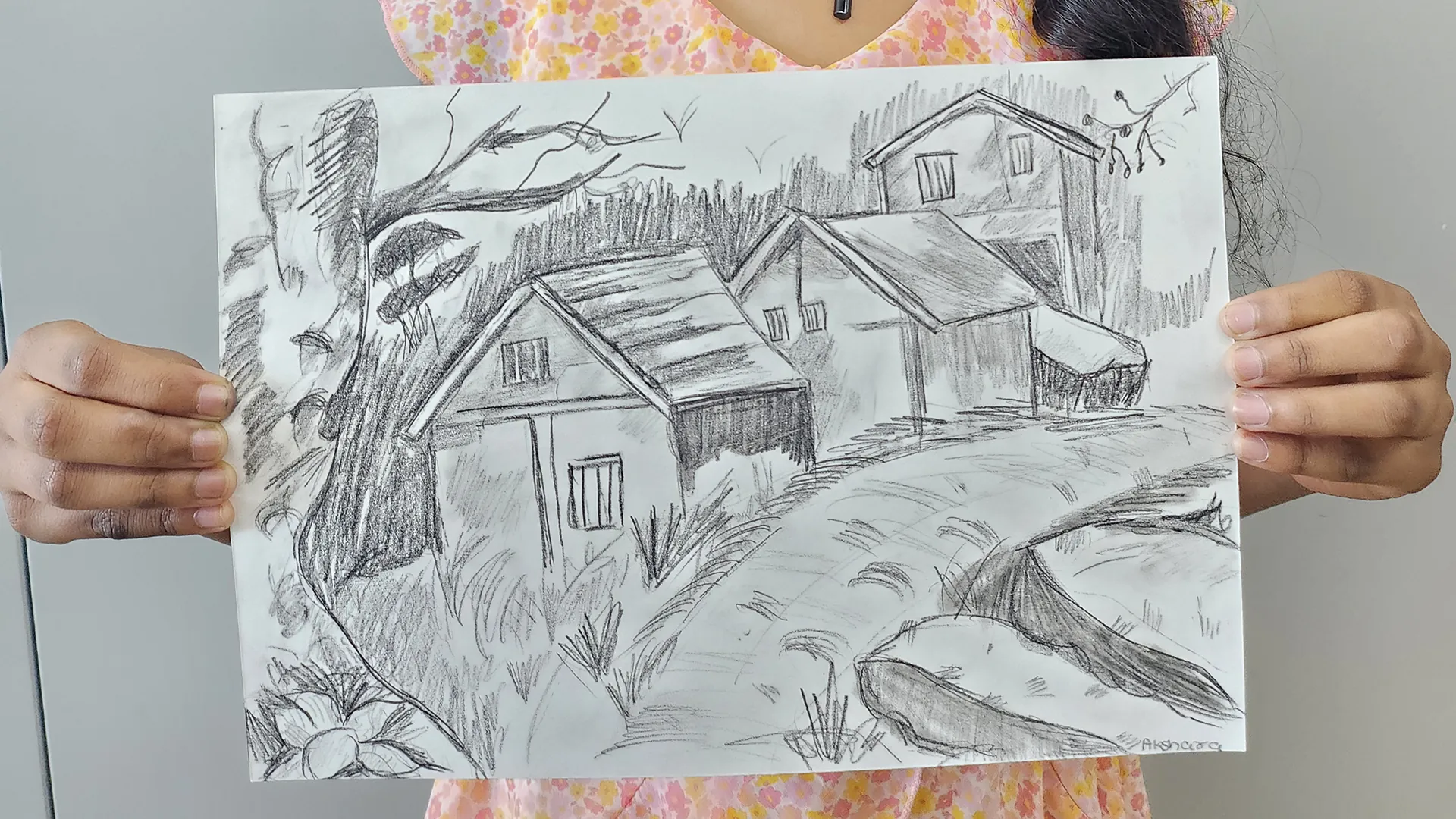
One of the most common questions parents ask when starting art with their child is simply, what should my child actually be doing at this age? A three year old scribbling with crayons and a twelve year old working on shading techniques are both doing “art,” but the skills, expectations, and activities involved are worlds apart.
Understanding age appropriate art activities matters more than most parents realise. Activities that are too advanced can frustrate a young child and make art feel like a chore. Activities that are too simple for an older child can feel boring and fail to build real skill. This guide breaks down the best art activities for kids by age group, so you can match what your child is doing to where they actually are developmentally.
Ages 3 to 5: Exploration Over Precision
At this stage, art is less about the final result and much more about sensory exploration, motor skill development, and simple cause and effect learning. Expecting neat lines or recognisable shapes at this age is usually unrealistic and can unintentionally discourage a child who is still developing basic hand control.
Suitable activities:
- Finger painting and hand or foot printing, which builds sensory awareness and colour recognition
- Large crayon or chunky marker scribbling on big sheets of paper, encouraging free arm movement rather than fine motor precision
- Simple collage work using pre-cut shapes, tissue paper, or stickers
- Playdough or clay moulding, which strengthens hand muscles used later for pencil control
- Basic colour mixing activities, such as mixing primary colours to “discover” new ones
What this builds: Gross and fine motor coordination, sensory awareness, colour recognition, and comfort with creative materials without pressure for accuracy.
At this age, praise effort and exploration rather than the finished product. A scribbled page explored enthusiastically is a success at three years old.
Ages 6 to 8: Building Foundational Skills
By this stage, most children have the fine motor control to start engaging with more intentional techniques, while still needing a playful, low pressure approach. This is a strong age to begin introducing basic structure without making it feel like formal instruction.
Suitable activities:
- Simple observational drawing, such as drawing a fruit, toy, or pet, focusing on basic shapes rather than exact detail
- Introduction to watercolour painting, which teaches control of water and pigment in a forgiving, low pressure medium
- Basic pattern and symmetry activities, such as simple mandala designs or paper folding and cutting
- Storytelling through art, like illustrating a short scene from a favourite book
- Simple shading exercises using pencil, such as light, medium, and dark boxes
What this builds: Early observational skills, basic composition awareness, colour confidence, and the beginning of intentional mark making rather than purely free exploration.
Children at this age often respond well to short, achievable projects rather than long, complex pieces, since attention span and patience are still developing.
Ages 9 to 12: Developing Technical Confidence
This is typically when children can start engaging meaningfully with more structured techniques and begin to notice and care about accuracy, proportion, and detail. Many children at this stage also start developing clearer preferences for specific mediums or subjects.
Suitable activities:
- Structured observational drawing with attention to proportion, such as still life setups or portrait basics
- Introduction to acrylic painting, which allows for more experimentation with texture and layering than watercolour
- Basic perspective drawing, such as simple one point perspective for buildings or roads
- Colour theory exercises, including complementary and analogous colour schemes
- Sketchbook habit building, encouraging regular practice outside formal lessons
What this builds: Stronger technical foundations, increased patience for detail work, and growing personal style as children begin choosing subjects and mediums they genuinely enjoy.
This age range is also a good time to introduce gentle, constructive feedback, since most children are ready to hear specific suggestions for improvement without becoming discouraged.
Teens: Skill Refinement and Personal Style
By the teen years, art can shift from general skill building toward more specific, deliberate development, whether that means preparing for school portfolios, exploring a particular medium in depth, or simply refining a personal artistic style.
Suitable activities:
- Advanced sketching techniques, including detailed shading, cross hatching, and complex composition
- Exploration of multiple mediums, such as charcoal, ink, acrylic, and digital drawing, to identify individual strengths and preferences
- Portfolio-style project work, focusing on a cohesive body of work rather than isolated exercises
- Life drawing or more advanced observational studies, building stronger anatomical and proportional accuracy
- Personal project development, allowing teens to choose their own themes and direction with instructor guidance rather than fixed assignments
What this builds: Technical mastery, a personal artistic voice, and readiness for more advanced pursuits such as competitions, portfolio building, or continued serious study.
At this stage, motivation often improves significantly when teens have some ownership over what they create, rather than working exclusively from prescribed exercises.
Why Age Appropriate Structure Matters
Matching activities to developmental stage is not about rigid rules. Some children naturally progress faster or slower than others, and that is completely normal. What matters more is avoiding two common pitfalls, pushing a child into techniques their motor skills or attention span cannot yet support, and keeping an older child on activities that no longer challenge them.
A good art program adjusts to the individual child within a general age framework, rather than treating every same aged child identically.
How Strokearts Structures Learning Around This
At Strokearts, classes are grouped by age precisely because the activities, expectations, and teaching approach that work well for a five year old are very different from what works for a twelve year old or a teen. Younger groups focus on exploration, motor skills, and foundational confidence, while older groups progressively build technical skill, medium versatility, and personal style. This age-grouped structure allows each child to be challenged at the right level, rather than either held back or pushed too far too soon.
Frequently Asked Questions
What art activities are best for a 3 year old just starting out?
Simple, sensory focused activities work best, such as finger painting, chunky crayon scribbling, and playdough moulding, which build motor skills without requiring precision.
When should structured drawing techniques be introduced?
Most children are ready for basic structured techniques, such as simple observational drawing and shading exercises, around ages 6 to 8, once fine motor control has developed further.
What mediums are appropriate for pre-teens aged 9 to 12?
Acrylic painting, basic perspective drawing, and structured observational drawing with attention to proportion are well suited to this age group, alongside continued sketchbook practice.
Should teens focus on a single art medium or explore multiple ones?
Exploring multiple mediums, such as charcoal, ink, and digital drawing, is generally encouraged at this stage to help teens identify their individual strengths and personal style before specialising further.
Is it normal for children to develop art skills at different paces?
Yes. Age ranges are general guides rather than strict rules, and children naturally progress at different speeds depending on interest, practice frequency, and individual development.