
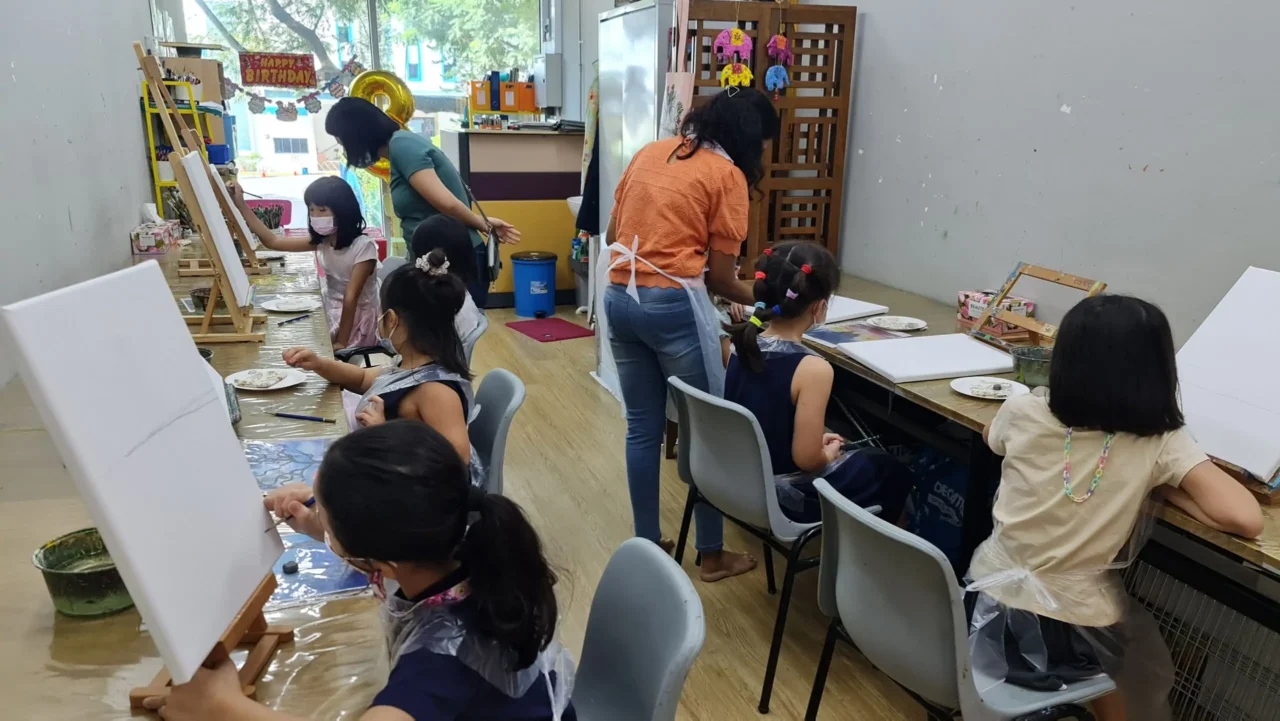
The journey of nurturing a child’s creativity begins with finding the right guide. Parents across Singapore often find themselves scrolling through countless profiles, wondering which art instructor will truly spark their child’s imagination. The decision feels weighty because the right teacher doesn’t just teach technique they plant seeds of confidence that bloom into lifelong creative expression.
When searching for art classes for kids, the abundance of options can feel overwhelming. From traditional watercolor workshops to digital art studios, Singapore’s creative landscape offers everything imaginable. Yet beneath all these choices lies a fundamental truth: the teacher makes all the difference.
Understanding Teaching Philosophy and Approach
Every art educator brings their own philosophy into the classroom. Some focus heavily on technical precision, drilling students through color theory and perspective until every stroke becomes second nature. Others embrace the messier path of free expression, where creativity flows without rigid boundaries.
The most effective instructors find balance between structure and freedom. They understand that art classes for children need foundation-building moments alongside pure creative play. Watch how potential teachers describe their approach during consultations. Do they speak about fostering individual voice? Can they articulate how they adapt lessons for different learning styles?
A teacher’s portfolio reveals volumes about their methodology. Look beyond the pretty finished pieces displayed on walls. Ask to see student work at various stages the sketches, the failed attempts, the breakthrough moments. These authentic glimpses show whether an instructor celebrates the learning process or only showcases polished results.
Experience with Different Age Groups Matters
Teaching a six-year-old requires completely different skills than guiding a teenager. Young children learn through exploration and sensory experiences, while older students often seek more structured skill development. The best art teachers understand these developmental differences intimately.
When evaluating potential instructors for art classes for kids, inquire about their specific experience with your child’s age range. A teacher who has spent years working with elementary students will know how to break complex concepts into digestible steps. They understand attention spans, can pivot when lessons aren’t landing, and recognize when to introduce new challenges.
Singapore’s multicultural environment adds another layer to consider. Teachers who have worked with diverse student populations bring cultural sensitivity and adaptability that enriches the learning experience. They understand that creativity manifests differently across cultures and can help students draw from their heritage while exploring new artistic territories.
Credentials and Continuous Learning
Formal education provides foundation, but the art world evolves constantly. The most inspiring teachers combine solid credentials with ongoing professional development. They attend workshops, experiment with new mediums, and stay current with contemporary art movements.
Look for instructors who maintain their own artistic practice alongside teaching. Working artists bring fresh energy and real-world perspective into their lessons. They share stories from galleries, discuss current exhibitions, and demonstrate that art-making continues throughout life.
However, impressive credentials mean nothing without genuine passion for teaching children. Some accomplished artists struggle to connect with young learners. The ideal instructor combines artistic expertise with natural teaching ability and genuine enthusiasm for working with kids.
Communication Style and Classroom Management
Observe how potential teachers interact during trial sessions or studio visits. Do they speak directly to children or primarily address parents? Can they explain complex concepts using age-appropriate language? Their communication style reveals whether they truly understand their young audience.
Effective art teachers create environments where mistakes become learning opportunities rather than failures. They celebrate experimentation and help students develop problem-solving skills that extend beyond art-making. Watch for instructors who ask questions that encourage thinking rather than simply providing answers.
Classroom management in creative spaces requires special finesse. Art classes for children can get wonderfully chaotic, with paint flying and imagination running wild. The right teacher maintains structure while preserving the joy and spontaneity that make art-making magical.
Studio Environment and Safety Considerations
The physical space speaks volumes about a teacher’s priorities and professionalism. Well-organized studios with age-appropriate tools show attention to detail and safety awareness. Materials should be easily accessible yet safely stored, especially when working with younger children.
Ventilation becomes crucial when working with certain mediums. Teachers who prioritize student health ensure proper air circulation and use non-toxic supplies whenever possible. They maintain clean workspaces and teach students responsible material handling from the beginning.
Storage systems for ongoing projects indicate whether the instructor values student work and provides continuity between sessions. Nothing crushes young creativity faster than losing a cherished work-in-progress due to poor organization.
Building Long-term Relationships
The most successful art education happens through sustained relationships rather than isolated lessons. Look for teachers who track individual student progress and adapt instruction accordingly. They remember what each child accomplished in previous sessions and build upon those achievements.
Some instructors maintain portfolios documenting each student’s artistic journey. These collections become treasured records of growth and development. They also demonstrate the teacher’s commitment to individual student success rather than treating classes as one-size-fits-all experiences.
The ability to inspire confidence while providing constructive feedback requires exceptional skill. Great art teachers help students develop critical thinking about their own work without crushing their enthusiasm. They know when to push for improvement and when to simply celebrate effort.
Making the Final Decision
After researching options and observing potential teachers, trust your instincts alongside your research. Children often sense whether an instructor genuinely cares about their development. If your child lights up around a particular teacher, that enthusiasm matters more than perfect credentials.
Consider scheduling trial sessions with top candidates. These interactions reveal chemistry that can’t be assessed through websites or phone conversations. Pay attention to how your child responds and whether they express excitement about returning.
The right art teacher becomes more than an instructor they become a mentor who nurtures creativity, builds confidence, and opens doors to lifelong artistic appreciation. Singapore offers exceptional opportunities for young artists to flourish under proper guidance.
Finding the perfect match takes time and careful consideration, but the investment pays dividends in your child’s creative development. When art classes for kids become genuine adventures in self-expression, young artists discover capabilities they never knew existed.
