
If you ask any teen who dreams of studying art what scares them the most, the answer is usually the same. The portfolio. Not the interviews. Not the application forms. The portfolio. Many teenagers in Singapore tell us that they want to apply to an art or design school, but they freeze the moment someone asks, “Do you have a portfolio yet?”
It can feel like a huge, mysterious thing. Parents feel this too. They want to support their child, but they are not always sure what universities expect or how early the preparation should begin. The truth is that a good portfolio looks less like a perfect gallery of masterpieces and more like a glimpse into how the artist thinks and grows.
At Strokearts, we have worked with many teens over the years. Some come with piles of sketchbooks, others with only a vague idea of what they enjoy. Both can still build something strong. The trick is understanding what to include and how to shape it into a story.
Let’s go through this slowly, the way we usually do with our students.
What Universities Want to See, Even If They Don’t Always Say It Out Loud
Every university writes similar guidelines. Ten to twenty works. Variety. Originality. Technical skills. But there are unspoken expectations beneath those instructions, and teens often overlook these.
They want to see curiosity. Not just talent. Curiosity shows up in little ways. A sketchbook with five different attempts at the same subject. A painting that began one way but turned into something else halfway through. A student who tries watercolour one week and charcoal the next just to see what happens.
Universities also look for consistency. This does not mean every piece must follow a theme. It means the student’s voice feels present. Small things count here. The way they observe light. Their interest in certain subjects. How they talk about their ideas.
It is perfectly fine if the portfolio looks a bit uneven. Uneven means the artist is learning, and admissions teams appreciate honesty more than perfection.
Choosing Mediums That Feel Natural, Not Trendy
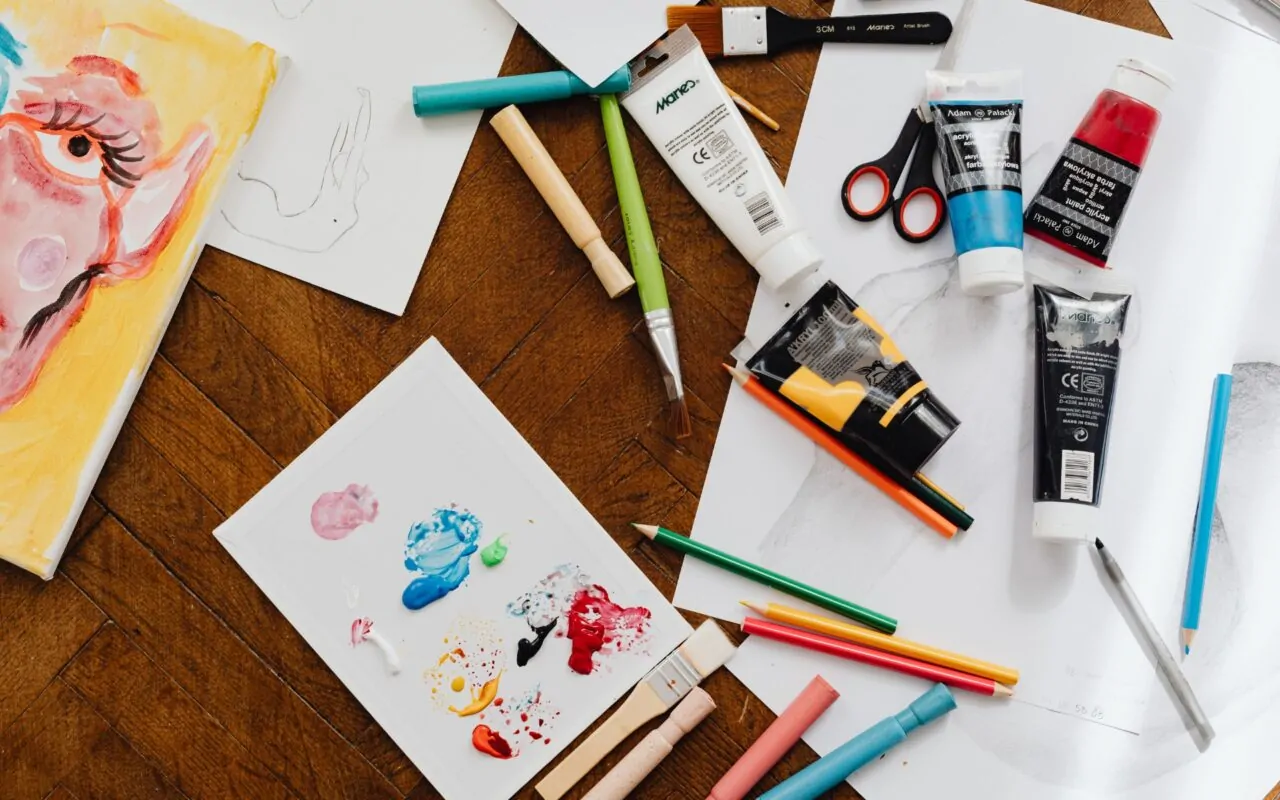
Teen artists today are lucky. They have access to every possible medium. But too much choice also brings confusion. Watercolour feels calming. Acrylic is bold. Gouache sits somewhere in between. Digital art is popular for animation and design. And then there is charcoal, which many teens secretly enjoy even though it is messy.
The question is not which medium is “the best.” The question is which medium helps your teen express something in a way they enjoy enough to keep doing it.
Traditional mediums are still valued highly. Observational drawing, even if not perfect, gives universities confidence that the student has discipline and patience. A pencil still life or a charcoal portrait can say more about a student’s growth than a polished digital painting created in one evening.
Digital art is wonderful too, especially for teens aiming at courses like animation or visual communication. But digital works should still show foundation skills, such as understanding light, form and proportion.
And then there is Indian traditional art. Families often ask us how to incorporate styles like Madhubani, Warli or Tanjore into an art portfolio for teens in Singapore. The key is to use it thoughtfully. Not as decoration, but as exploration. Students can reinterpret motifs, try blending cultural themes with contemporary ideas or use traditional patterns as a starting point rather than a template.
When done with intention, cultural art becomes a meaningful highlight. It feels personal instead of expected.
Themes That Help a Portfolio Feel Like a Story
Not every portfolio needs a theme. But having two or three recurring ideas helps the viewer understand the artist’s interests. Themes often appear naturally once the student pays attention to what they enjoy drawing.
Some teens are drawn to urban Singapore life. Others explore identity, childhood memories or family heritage. Some gravitate toward nature. Some toward fantasy. There is no correct theme. What matters is sincerity.
A small reminder that we often tell parents and teens: a theme does not need to be dramatic. “Growing up” is a theme. “People on the MRT” is a theme. “Objects that remind me of home” is a theme. Layers of meaning come later.
Sketchbooks Matter More Than People Think
Many students feel embarrassed about their sketchbooks. They think they are too messy or too random. Ironically, that is exactly why universities want to see them.
A sketchbook shows process. It shows thinking. Teens often underestimate how valuable that is. They assume final artworks matter most, when in reality, process reveals effort and honesty.
A good sketchbook has rough thumbnails, half-erased attempts, notes scribbled in the corners and experiments that did not work out. These pages show that the teen is willing to try, fail, adjust and try again. That is the mindset universities want.
How Many Pieces Should Teens Include?
Most art schools ask for around fifteen works. Some ask for fewer. A few ask for more. But the number is not nearly as important as the rhythm of the portfolio.
A strong portfolio usually includes:
- A few observational studies
- Some exploration pieces in different mediums
- A work that shows patience or detail
- A piece that feels deeply personal
- Process pages or research boards
- One or two experiments that show risk-taking
If a piece feels forced or out of place, it does not need to stay. Fifteen thoughtful pieces are better than twenty-five uncertain ones.
Presenting the Work So It Feels Clear and Easy to Follow
Presentation does not need to be fancy. In fact, it should not be. Universities prefer simple layouts that make it easy to see the artwork. No heavy borders. No distracting backgrounds. No unnecessary graphic design.
A small caption helps:
- Medium
- Date
- Size
- One or two sentences about the idea
Short reflections help the reviewer understand the intention. They also show maturity. A teen who can explain their work clearly usually leaves a strong impression.
Preparing a Portfolio in Singapore’s Busy Academic Environment
Teens here often juggle schoolwork, CCAs and tuition. Many feel that portfolio building will “take too much time.” It only becomes overwhelming when everything is left to the last moment.
A good approach is to start early, even with small steps. One drawing a week. One idea exploration a month. Sketchbook practice during school holidays. Slow accumulation leads to a more cohesive portfolio than a rushed two-month sprint.
Singapore’s environment also offers rich visual material. HDB landscapes, hawker food, multicultural festivals, neighbourhood textures, even the afternoon light falling through bus windows. These everyday details can become inspiration for observational studies or conceptual pieces.
How Strokearts Supports Teens and Families
At Strokearts, we guide teens through each part of the process. Some need help understanding mediums. Some need direction with themes. Others need structure because they are talented but scattered.
Our teachers help them:
- Explore a range of mediums
- Develop ideas without fear of being wrong
- Build sketchbook habits
- Learn observation and composition skills
- Shape a portfolio that feels authentic, not manufactured
We work closely with both teens and parents so that the journey feels steady rather than stressful.
A Final Note for Teens (and Parents)
A portfolio is not a test of perfection. It is a snapshot of growth. Every awkward attempt, every experiment, every piece that nearly worked but not quite, contributes to that story.
If you are a teen preparing your portfolio, remember that your voice matters more than your polish. And if you are a parent, your encouragement makes a difference that is bigger than you realise.
Strokearts can help make the path clearer and calmer, but the imagination and honesty must come from the artist. That is what universities notice most.
