
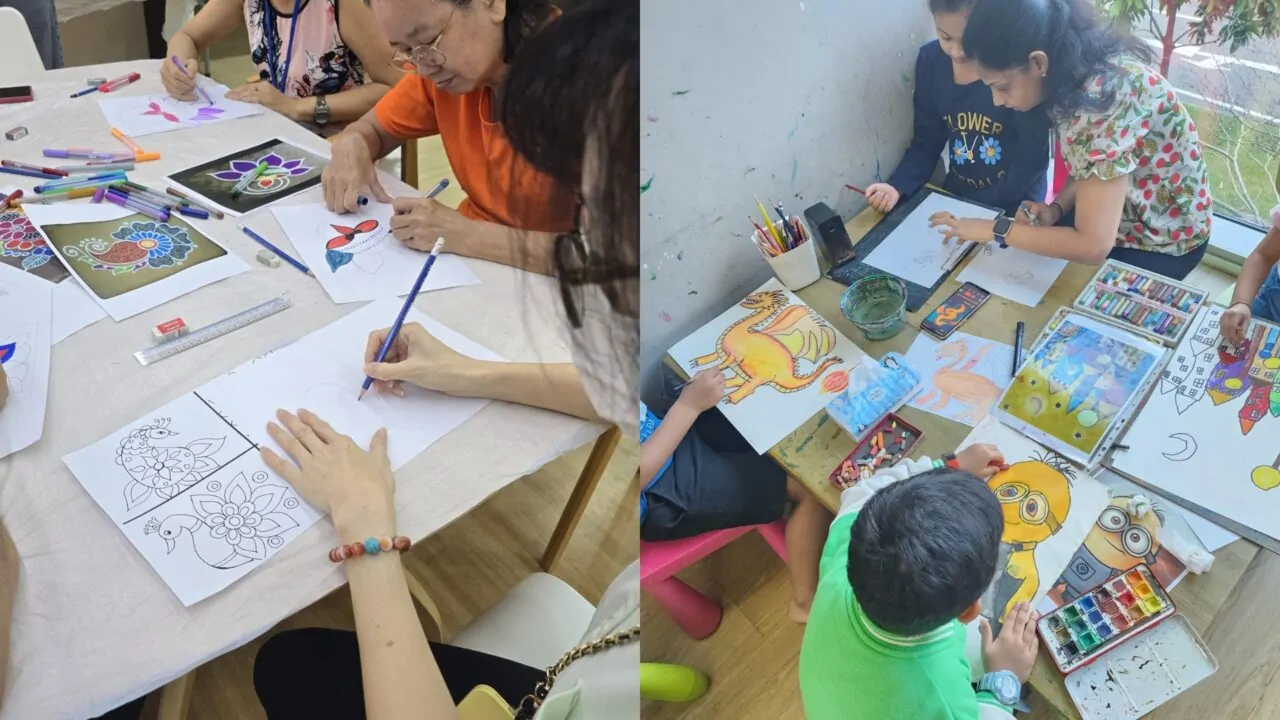
Parents often ask this question when they start looking for art lessons. Should a child begin with drawing or jump straight into painting? On the surface, painting seems more exciting. There are colours, brushes, and the freedom to fill a page quickly. Drawing, by comparison, looks simpler.
But once you spend some time around children learning art, you start to notice something interesting. The students who feel comfortable painting later usually have one thing in common. They spent time learning how to draw first.
This is why many drawing classes Singapore programmes begin with pencils before introducing paint. It is not about delaying creativity. It is about giving children the tools that make creativity easier later on.
1. Drawing Helps Children Learn How to See
When children first start drawing, they usually draw what they think something looks like rather than what is actually there. A house becomes a square with a triangle roof. A person becomes a stick figure.
Drawing classes slow this down. Teachers ask children to look more carefully. Where does the curve begin? How wide is the object compared to something next to it? What shape appears before any details are added?
This way of looking takes practice. Once a child begins noticing shapes and proportions, their drawings naturally improve. The same skill later helps them when they move into painting.
2. Pencils Make It Easier to Control Movement
Painting involves several things happening at once. A brush holds paint, water changes the thickness, and colour spreads across the surface. For beginners, that can feel unpredictable.
Pencils behave differently. The line appears exactly where the hand moves. That makes it easier for children to understand how their hand movements affect the picture.
In many drawing classes Singapore, teachers spend time helping students develop simple control over lines and shapes. It may not look dramatic at first, but it builds confidence.
Once children understand that control, brushes become far less intimidating.
3. Drawing Teaches Structure Before Colour
One of the reasons artists sketch before painting is because structure matters. The position of objects, the balance of the composition, and the size of each element all affect how the final artwork looks.
Children who begin with drawing naturally learn this idea. They understand that a picture is built in stages. First the main shapes, then the smaller details.
Painting becomes more enjoyable when that structure already exists. Instead of guessing where things should go, children simply build on what they have already planned.
This is one reason drawing is considered part of the art fundamentals for beginners.
4. Painting Adds Expression Once the Basics Are Clear
Once children feel comfortable drawing shapes and objects, painting introduces a new layer of creativity.
Colour brings emotion into the artwork. Brush strokes add texture and movement. Students start experimenting with how colours mix and how different techniques change the mood of a painting.
At this stage, painting classes for kids feel more rewarding because the child already understands what they are painting. The focus shifts from figuring out the structure to enjoying colour and expression.
5. Drawing Builds Patience
Drawing tends to move more slowly than painting. Children spend time adjusting lines, correcting proportions, and refining small details.
This slower pace teaches patience in a natural way. Instead of rushing to finish, students learn that artwork improves when they take their time.
Painting can sometimes feel faster because large areas of colour fill a page quickly. For beginners, starting with drawing helps them develop the patience needed for both mediums.
6. Both Skills Eventually Work Together
Although drawing often comes first, painting and drawing are not separate worlds. As children progress, the two skills support each other.
A student might sketch lightly before painting. Another might use drawing techniques to add details after the paint dries. Over time, the difference between the two becomes less important.
Many of the best art classes for kids combine these skills gradually so students feel comfortable moving between them.
7. Choosing the Right Starting Point for Your Child
Parents sometimes worry that beginning with drawing will feel boring for children who love colour. In practice, the opposite often happens.
Once children realise they can draw something recognisable, their excitement grows. Painting then becomes an extension of that ability rather than a struggle to figure out shapes.
At Strokearts, both drawing and painting are part of the learning journey. Students begin by building strong drawing foundations and later explore painting with confidence.
A Simple Way to Think About It
Painting may capture a child’s attention first, but drawing quietly teaches the skills that make painting easier.
When children learn to observe shapes, control their hand movements, and build a picture step by step, they gain confidence. Once that foundation is in place, adding colour becomes far more enjoyable.
For parents exploring drawing classes Singapore or looking for the best art classes for kids, starting with drawing usually gives children the strongest beginning. Painting will come naturally once those basics are in place.
