
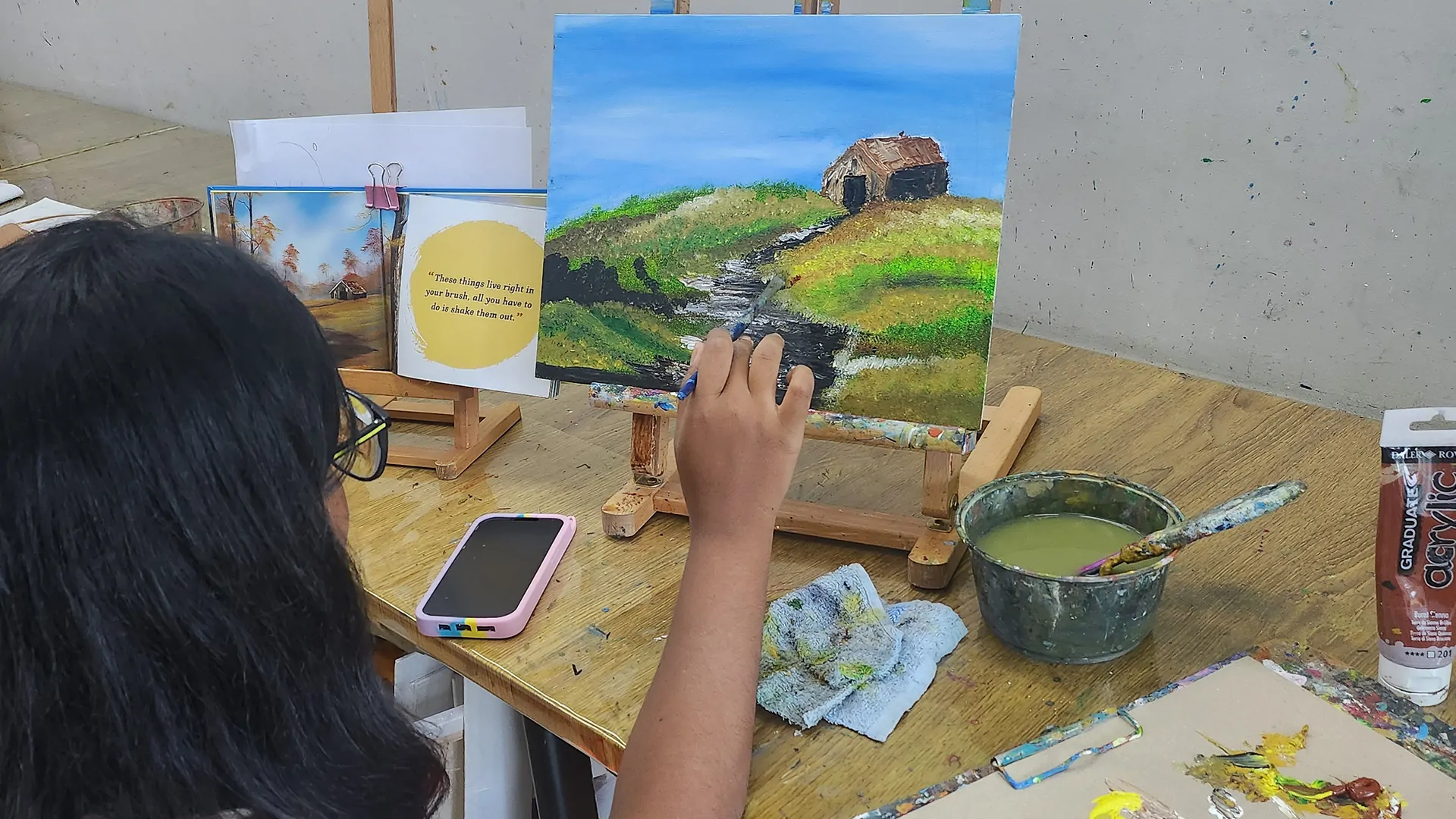
It usually starts with small things.
A child who cannot sit through homework without getting distracted. A task that should take ten minutes stretches into thirty. Instructions need to be repeated more than once. Parents begin to wonder whether attention span is the issue, or something else entirely.
In Singapore, where routines are structured and expectations come early, this concern shows up often. Many parents look for ways to improve concentration in kids Singapore, but not all solutions feel right. More worksheets or stricter routines rarely solve the problem for long.
This is where art classes come into the picture, often quietly at first.
1. Focus Develops When the Mind Is Interested
Children do not lack focus. They lack engagement.
It’s a difference parents notice at home. The same child who struggles to concentrate on homework can spend long periods drawing, colouring, or building something without being asked to.
Art taps into that natural interest. It gives the mind something to stay with. There is no pressure to finish quickly, no fear of being wrong. In structured classes, this engagement is guided rather than left to chance. Over time, the ability to stay with an activity strengthens. Focus becomes something the child experiences naturally, not something they are forced into.
2. Repetition Builds Attention Without Feeling Repetitive
In most attention span activities, repetition can feel boring. Children lose interest quickly if the task feels the same every time.
Art handles repetition differently.
Patterns are repeated. Lines are practised. Shapes are built again and again. But each piece still feels new because the outcome changes. Colours shift. compositions vary.
Children stay engaged while practising the same underlying skills. This is how focus builds without resistance.
3. Art Teaches Children to Slow Down
Many children rush through tasks, especially when they feel unsure.
In art classes, rushing does not work. A drawing built too quickly falls apart. Details need time. Proportions need adjustment.
Children begin to realise that slowing down actually helps. They correct themselves. They take more care. This habit gradually carries into other areas. Homework becomes less rushed. Instructions are followed more carefully. The child begins to see value in taking their time.
4. Small Steps Make Tasks Feel Manageable
One reason children lose focus is that tasks feel too big. Structured art classes break work into smaller stages. First the outline. Then the structure. Then the details. Each step has its own rhythm.
This approach makes it easier for children to stay engaged. They are not overwhelmed by the final result. They are simply working on the next step. Over time, this way of thinking becomes familiar. It supports other focus building exercises for children, even outside art.
5. Mistakes Do Not Interrupt the Flow
In academic settings, mistakes often stop progress. In art, mistakes are part of the process. A line can be adjusted. A colour can be layered. Nothing needs to stop completely.
This reduces hesitation. Children continue working instead of freezing or starting over. When the fear of getting things wrong decreases, attention improves. The child stays in the activity instead of stepping away from it.
6. Physical Engagement Supports Mental Focus
Art is not only about thinking. It involves movement.
Holding tools, controlling pressure, repeating strokes. These actions engage the body along with the mind.
This combination helps children stay present. It is one of the reasons art works well as an activity for children who struggle to sit still.
Focus builds through doing, not just thinking.
7. Quiet Confidence Supports Longer Attention
As children practise regularly, they begin to see improvement. Lines become steadier. Shapes become clearer. They recognise their own progress.
This builds confidence, and with it, patience. Children who feel capable are more willing to stay with a task. They do not give up as quickly. Confidence and focus often grow together, even though they seem like separate things at first.
8. Group Settings Help Children Stay Engaged
Art classes are usually conducted in small groups. Children observe others working. They stay within the rhythm of the class. They feel part of something without being compared directly.
This shared environment helps maintain attention. It feels structured but not restrictive. For many children, this balance makes it easier to stay focused than working alone.
9. Why Parents Choose Art Over More Academic Solutions
When parents look for ways to improve concentration in kids Singapore, the first instinct is often academic support. But attention does not always improve through more of the same structure that caused the difficulty.
Art offers a different path. It builds focus through interest, repetition, and gradual progress, rather than pressure. This is why many families introduce art alongside school routines, not as an extra burden, but as a support system.
10. Choosing the Right Environment Matters
Not all art classes produce the same results.
An effective class balances guidance with freedom. It provides structure without rushing. It allows children to work at their own pace while still progressing.
At Strokearts, children’s programmes are designed with attention and patience in mind. Lessons are structured in a way that supports gradual improvement while keeping children engaged.
Parents are encouraged to observe how their child responds, as that often reveals more than any description.
A More Realistic Way to Build Focus
Focus is not something that appears suddenly. It develops through repeated, meaningful engagement. Art classes provide a space where children can practise this without pressure. Over time, that practice carries into other parts of their life.
If you are exploring ways to support your child’s attention span, structured art may not seem like the obvious answer at first. But for many families, it becomes one of the most effective ones.