
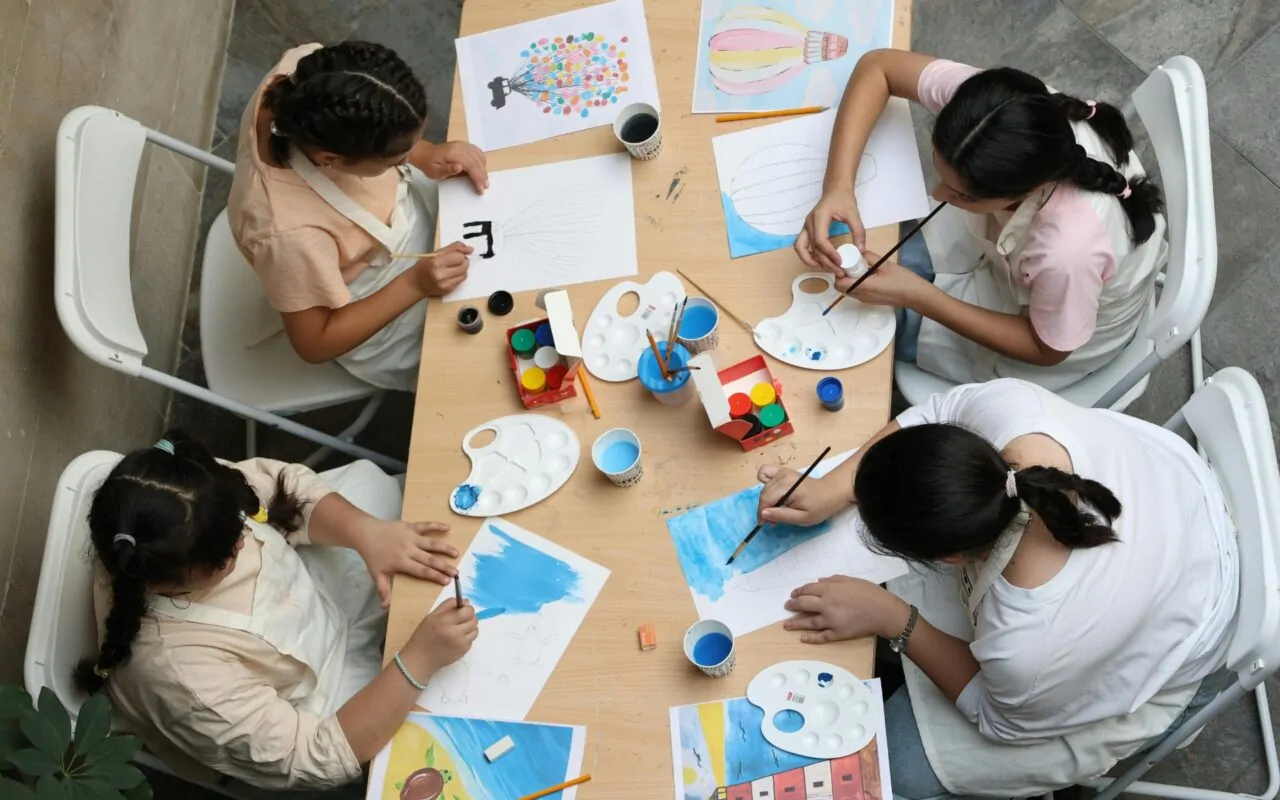
Anyone starting art as an adult knows the strange mix of excitement and hesitation that comes with holding a brush or pencil again. You want your work to look good, you want to improve quickly, and sometimes the pressure gets in the way of actually learning. Many beginners walk into their first art class with a few habits that slow down their progress. Nothing dramatic, just small things that make the learning curve a bit steeper than it needs to be.
At Strokearts, we see the same patterns appear in our beginner art classes. The good news is that once you understand these common mistakes, they are incredibly easy to fix. A few small adjustments often make the difference between frustration and enjoyment.
Here are five issues beginners run into, along with simple ways to avoid them.
Mistake 1: Skipping Fundamentals Because They Feel “Slow”
Almost every new artist wants to jump straight into detailed paintings. It is completely natural. The thrill of finishing a piece is addictive. But skipping fundamentals like shading, proportions, colour mixing and stroke control can make the journey harder later on.
Think of fundamentals as your creative toolkit. If you rush past them, everything you build feels shaky. When beginners pause and learn the basics properly, their improvement becomes smoother and far more rewarding.
How to avoid it:
Spend a bit of time each week on simple exercises. Circles, gradient bars, small colour tests, light and shadow sketches. These look boring on paper, but they strengthen the foundations that make the impressive pieces possible.
In our beginner art classes at Strokearts, we always include small practice drills that help students improve without even realising it.
Mistake 2: Using the Wrong Brush Strokes for the Wrong Job
Brush technique is one of the most common beginner art class mistakes. A lot of new painters use the same motion for every stroke. Maybe small flicks. Maybe long sweeps. Maybe heavy pressure without noticing. The result looks uneven and beginners often blame the paint, even though the issue is simply technique.
Every brush has a purpose. Flat brushes, round brushes, detail brushes, fan brushes. They all behave differently and give you different textures.
How to avoid it:
Practice holding your brush in more than one way. Try painting with the tip, the side and the belly of the brush. Experiment with pressure. Move slowly and then move quickly. You will start to understand which stroke feels right for which effect.
A good teacher will demonstrate these differences in class so you can feel the technique instead of guessing it.
Mistake 3: Focusing Too Much on the Final Result
One of the biggest issues we see in beginners is an obsession with how the artwork will look when it is finished. That pressure builds silently and creates unnecessary frustration. It turns every small mistake into something personal.
When you only focus on the end product, you forget to enjoy the process. Art suddenly becomes a performance rather than a learning experience. That mindset slows down progress and drains confidence.
How to avoid it:
Try to treat each artwork as a study instead of a masterpiece. Let yourself experiment. Allow messy sections. Learn from them instead of hiding them. The more relaxed your approach, the more naturally your style will emerge.
If you have ever wondered what to avoid as a beginner painter, this is a big one. Let go of the perfection mindset early.
Mistake 4: Using Poor Quality Materials That Work Against You
Many beginners start with low-cost materials because they do not want to overinvest before knowing whether they enjoy painting. That makes sense. The problem is that some entry-level paints, brushes and papers behave unpredictably. Colours become muddy, paper buckles and brushes fray. Beginners often think they are doing something wrong, when the tools are the real issue.
How to avoid it:
You do not need premium supplies. You only need reliable ones. Choose mid-range paper that does not warp and paints that blend consistently. A few good brushes last much longer and give you better control.
During Strokearts beginner classes, we let students try different brands so they can feel the difference themselves before buying anything.
Mistake 5: Avoiding Feedback or Being Afraid to Ask Questions
A surprising number of adults feel shy about asking questions in art class. They worry the question is too simple or that the teacher will judge their work. The opposite is true. Asking questions is how you accelerate your progress. Art is not meant to be done silently. It grows through conversation and guidance.
When beginners avoid feedback, they repeat the same habits for months without realising it. A single correction can dramatically improve technique.
How to avoid it:
Share your work during class. Ask your instructor why a colour looks muddy or why a shape feels off. Good teachers want to help you spot your blind spots. You will learn far faster when you open that door.
At Strokearts Singapore, our classes are designed specifically to make beginners feel supported, not judged. Questions are encouraged and celebrated.
Choosing the Right Approach as a Beginner
If you are starting your art journey, remember that progress comes from small steps, steady effort and a mindset that is willing to learn. You do not need to avoid mistakes entirely. You simply need to understand them, adapt and try again.
Pay attention to your brush technique. Practise fundamentals even when they feel simple. Choose decent materials. And above all, give yourself permission to learn at your own pace.
Strokearts offers beginner-friendly classes in watercolour, acrylic, mixed media and drawing, with guidance that meets you exactly where you are. Whether you want to improve technique or simply enjoy a relaxing hobby, our instructors help you build confidence with each session.
Final Thoughts
Every artist begins in the same place, with curiosity and uncertainty. These common mistakes are normal. They are part of the journey. Once you recognise them, you can grow past them easily and enjoy the creative process with less stress.
If you ever feel stuck or overwhelmed, remember that you are not alone. Many beginners ask the same questions and struggle with the same things. That is exactly why supportive art classes exist.
A little direction goes a long way. With the right habits and guidance, your art will improve faster than you expect.
