
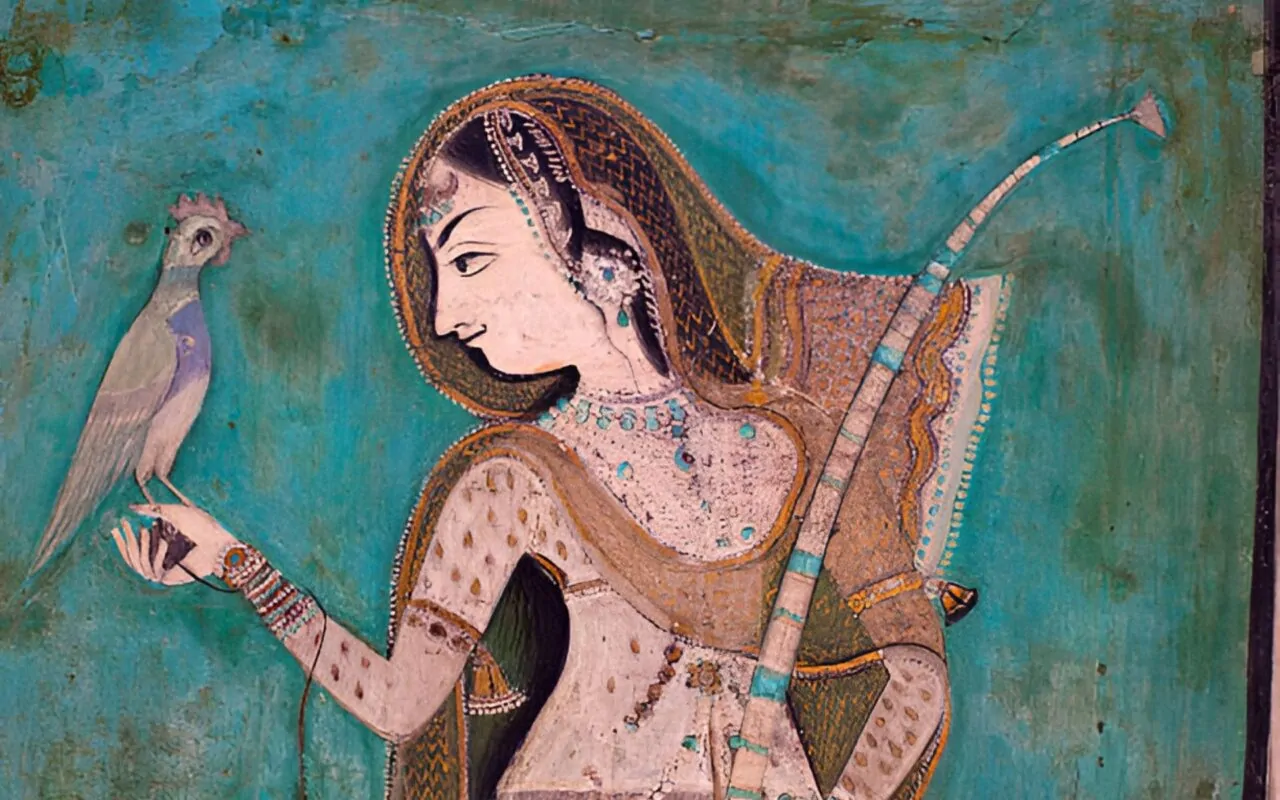
Indian art classes are rich in culture and traditions alongside creativity. You must be seeking to join the classes or are simply interested in knowing what goes on there. Well, you are about to be served! Here are 10 surprising facts about Indian art classes that make you excited to dive into the world of Traditional Indian Art, with a special focus on the interesting Traditional Madhubani techniques.
Facts About Madhubani art in Indian culture
- A Deep Cultural Connection
Indian art classes are not just about how to paint or how to draw; they are very much related to India’s cultural heritage. Most of the art in India has more than a thousand years of history. Among all, one of the most striking is Madhubani art, which originated from the Mithila region of Bihar. These arts are more distinctive in Indian culture because they existed since the time of ancient Hindu epics like the Ramayana. By learning such art forms, students get connected to the rich traditions of India.
- Each Region Has Its Own Style
The number one thing enjoyed in Indian art classes is the variety in styles. India is a very large country, and different regions produce unique art forms. For example, Warli art of Maharashtra, Kalamkari from Andhra Pradesh, and Madhubani from Bihar are a few to name amongst many others taught in Indian art classes. Each has its own technique and cultural relevance and would make every class not the same, but unique.
- Madhubani Art’s Symbolism
Being an ancient art, Madhubani art classes introduce students to the deep symbolism used in this art form. Most of its paintings are the depiction of scenes from Hindu mythology, nature, and religious motifs, where animals and plants are made symbols for deeper meanings. For example, fishes symbolize fertility and love, while peacocks show love. This is the process of learning an art by understanding those layers of meaning and their importance in Indian culture.
- The Use of Natural Materials
In many of these Traditional Indian Art forms, the students are taught to make use of natural products for colors as well as for canvases. The colors in the case of Madhubani art are extracted from herbs like turmeric, indigo, and leaves. Traditionally, painting is done on cloth, handmade paper, or even on walls with the use of bamboo sticks or even fingers. This makes the learning organic and earthy.
- Women Pioneers in Indian Art
Do you know that Madhubani art has always been practiced by women? It is passed on from mother to daughter and was a way of showing expression. The women in the Mithila region created intricate designs on their home walls and floors for religious festivals and special occasions. Today, students in Indian art classes continue learning these old techniques passed down through generations from experienced female artists.
- Folk Art Meets Modern Mediums
While traditional materials are imperative to Indian art classes, most modern classes will encourage newer mediums. A digitized platform for example might be used by a student to create Madhubi-inspired designs. This juxtaposition provides a new kind of look and gives the students an opportunity to bring this old-school Indian art alive into the modern world but naturally retain its cultural essence.
- A Meditative Process
Many of those who undergo training in traditional Indian art, in particular Madhubai, describe it as soothing and meditative. The intricacy of the patterns or repetition does not involve patience and great concentration; rather, it keeps one away from stress in a busy life. In fact, many of the learners say that mastering the art of Madhubai leaves them feeling highly peaceful and mindful.
- Not Just for Painters
You don’t need to be a veteran painter to participate in the classes on Indian art; classes are created with all levels in mind, and even beginners can get into learning very quickly some of the fundamental traditional techniques. No matter whether you want to learn the simplistic brushwork of Madhubani or the simple geometric designs of Warli, Indian art is perfect for everyone. Usually, teachers take pride in focusing on creativity rather than perfection, so the experience turns out to be enjoyable for each.
- A Global Fanbase
Though these art forms have originated from India, Indian art classes have a global appeal. Art lovers from different parts of the world throng to Indian schools to learn Traditional Indian Art. With the growing interest in eco-friendly art and sustainable practices, the use of natural dyes and materials by Madhubani art has received due attention internationally. Today, Indian art classes are given not only in India but also in schools of art across Europe, the U.S., and elsewhere.
- Madhubani: A UNESCO-Recognized Heritage
Madhubani art is not only popular in Indian culture but also has global recognition. It has been acknowledged by UNESCO as an intangible cultural heritage, making its preservation and teaching even more significant. Students taking Indian art classes get a firsthand experience of this globally recognized art form, contributing to its continued legacy.
Conclusion
Indian art classes are not just about mastering brush strokes or creating beautiful designs. They are a journey into India’s rich cultural past, allowing students to immerse themselves in the stories, symbols, and techniques that have shaped Indian art over centuries. Whether it’s learning the eco-friendly Traditional Madhubani techniques, discovering the rich symbolism of art forms, or simply enjoying the meditative process of creating art, there’s always something magical waiting to be discovered in an Indian art class.
