
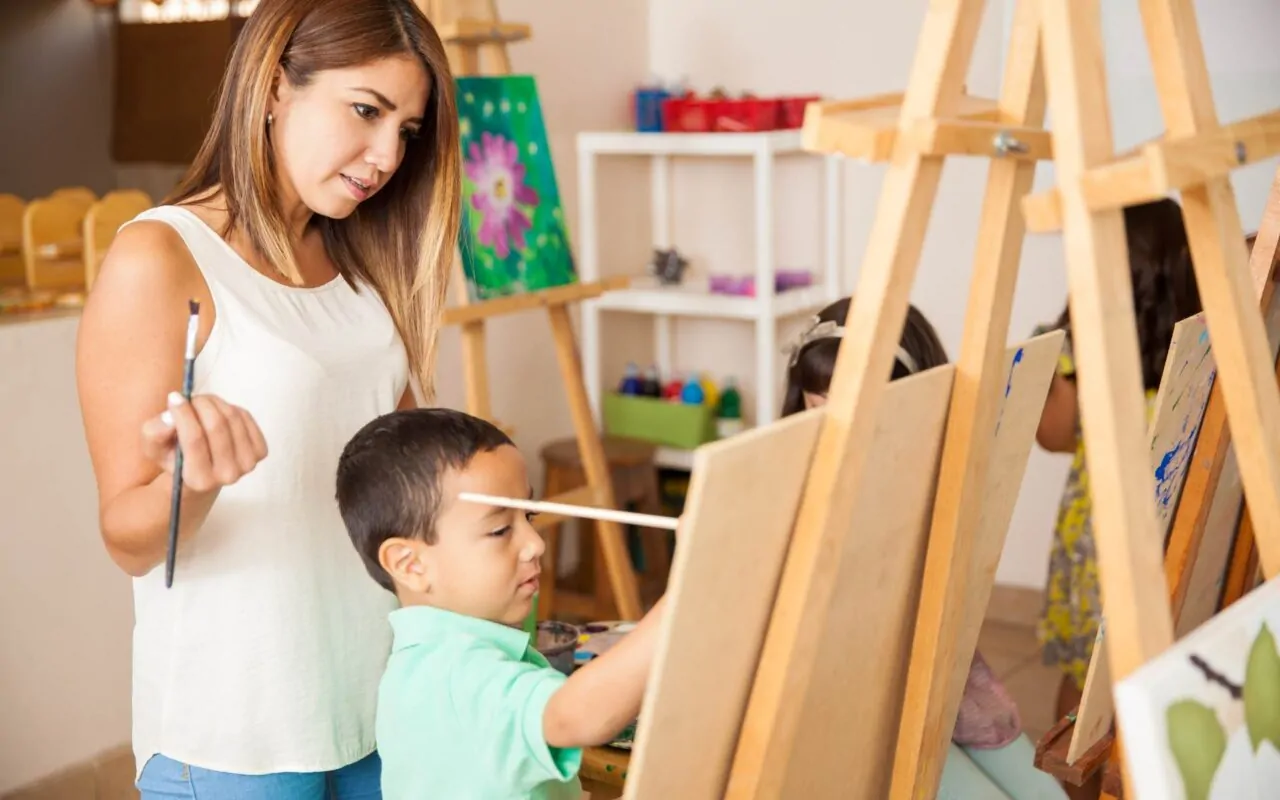
Let’s get this straight. Kids don’t just doodle for fun (though they do have a blast doing it). There’s real magic happening when a child picks up a crayon or squishes a blob of paint with their fingers. Art isn’t just “playtime.” Its development. It’s self-expression. It’s how young brains start figuring out who they are, how they feel, and how to connect with the world around them.
In Singapore, where the race to academic success starts early art often gets pushed aside in favor of math drills or grammar worksheets. But here’s the thing: enrolling your child in children’s art classes in Singapore might just be the smartest, most meaningful thing you do for their future. Yup, we said it.
Let’s unpack why art matters so much in those early years, and what happens (in the brain and beyond) when kids get the space to create.
🧠 Art Builds Brains
From the outside, it looks like chaos: paints flying, glitter everywhere, maybe a glue stick in someone’s hair. But behind the mess is serious developmental growth.
How Drawing and Painting Build Early Brain Connections
When a toddler draws a circle or mixes colours for the first time, they’re not just “being cute.” They’re building neural pathways that support:
- Hand-eye coordination (holding brushes, staying inside lines)
- Fine motor skills (those tiny finger movements)
- Spatial awareness (figuring out where things “fit” on a page)
- Early literacy and numeracy (drawing symbols, understanding patterns)
Even something as basic as choosing a colour involves decision-making and creative thinking. Art is brain food. Period.
💬 Art Helps Kids Say What They Can’t Put Into Words
Have you ever tried asking a 4-year-old how their day was? You’ll get “fine” or “I dunno” and not much else. But hand them some markers and a blank sheet? Suddenly, you’ve got a full story in scribble form.
Why Art Is a Form of Early Communication
Before children have the words to express complex emotions like frustration, excitement, or sadness art steps in. Drawing and painting become tools for:
- Self-expression
- Processing feelings
- Building confidence
- Exploring identity
Kids don’t always know how to say what’s on their minds. But through drawing classes for children, they show it. That’s powerful.
🎨 Creativity Isn’t a “Bonus Skill.” It’s the Foundation for Problem Solving
We often think of creativity as something extra nice to have, but not essential. That’s outdated thinking.
How Creative Growth in Kids Shapes Their Future Thinking
When kids experiment with art, mixing textures, creating imaginary characters, and trying something new and weird they’re learning to think differently. And in our constantly changing world? That’s gold.
Here’s what creativity through art teaches:
- Resilience (messed up the painting? Start again.)
- Flexibility (made a mistake? Turn it into something else.)
- Curiosity (what happens if I mix blue and yellow?)
Creative kids become problem-solvers, inventors, entrepreneurs, artists, and scientists. Honestly, the list goes on.
👥 Social Skills? Yup, Art Builds Those Too
Especially in a group setting, like children’s art classes in Singapore, art helps children develop important social and emotional learning. Not through lectures, but through doing.
Group Art = Group Growth
When kids create art with others, they:
- Learn to share and take turns (only one red marker, folks)
- Give and receive feedback (“Wow, your rocket looks cool!”)
- Celebrate differences in how others see the world
Plus, it builds empathy. Kids begin to understand that everyone sees and feels things in unique ways and that’s something they can respect, not fear.
📚 Art Supports Academic Learning (But Quietly)
This one always surprises parents. Art can actually support academic performance. Not because it teaches formulas or facts, but because it strengthens the “learning muscles” focus, patience, and persistence.
Developmental Art Education Helps in School Too
Children who engage in art regularly tend to:
- Have stronger memory and attention spans
- Show better emotional regulation
- Perform better in reading and writing (yes, seriously!)
In other words, art doesn’t distract from learning it supercharges it.
🎯 It’s Not About Being “Good at Art.” It’s About What Art Does to Them
One of the biggest myths? That art is only for kids who are “talented” or “creative.” But every child is creative they just need the space to explore it.
Why Every Child Benefits from Art (Even If They Don’t Become Artists)
You don’t enrol your child in drawing classes for children because you want them to become the next Picasso. You do it because you want them to grow into curious, expressive, confident humans. Art just happens to be the best tool for that.
There’s no “right” way to draw. That freedom? That’s where the magic is.
🎯 What to Look for in a Good Children’s Art Class (Especially in Singapore)
You’re sold on art now what? Not all art programs are created equal. Here’s what to keep an eye out for:
Choosing the Right Fit
- Process over product: Look for classes that celebrate how your child creates, not just what they make.
- Guidance, not rules: Teachers should guide not direct kids’ creativity.
- Materials that excite: The more textures, colours, and tools, the better.
- An encouraging vibe: Positive reinforcement matters more than perfection.
And if you’re in Singapore, you’ve got access to tons of children’s art classes that get it right nurturing creative growth, early learning, and emotional expression all in one.
Bonus: The Quiet Confidence Booster No One Talks About
Ever seen a kid finish a painting and just beam with pride? That quiet little glow is what we’re after.
When children create art, they take ownership. They make choices. They finish something. And that boosts their confidence in ways no test score ever could.
💡Final Thought: Art Is How Kids Make Sense of the World
At the end of the day, art is more than colours on paper. It’s connection. To self. To others. To ideas they don’t have words for yet. Art is how kids feel seen by themselves and by the people around them.
So if you’re thinking about enrolling your child in a local children’s art class in Singapore do it. Give them that space to explore, get messy, and grow in ways that worksheets never will.
